Joe Biden and the “You Ain’t Black” Controversy
In May 2020, during an interview on the radio show The Breakfast Club, Joe Biden made a comment that drew immediate criticism across the political spectrum:
“If you have a problem figuring out whether you’re for me or Trump, then you ain’t Black.”
The reaction was swift and, in many ways, deserved. Many felt the remark was dismissive, racially presumptuous, and out of step with the very diversity of opinion that democracy requires. Biden quickly walked the comment back, calling it “cavalier” and saying he “shouldn’t have been such a wise guy.” Still, for some, the damage was done.
But here’s where things get complicated.
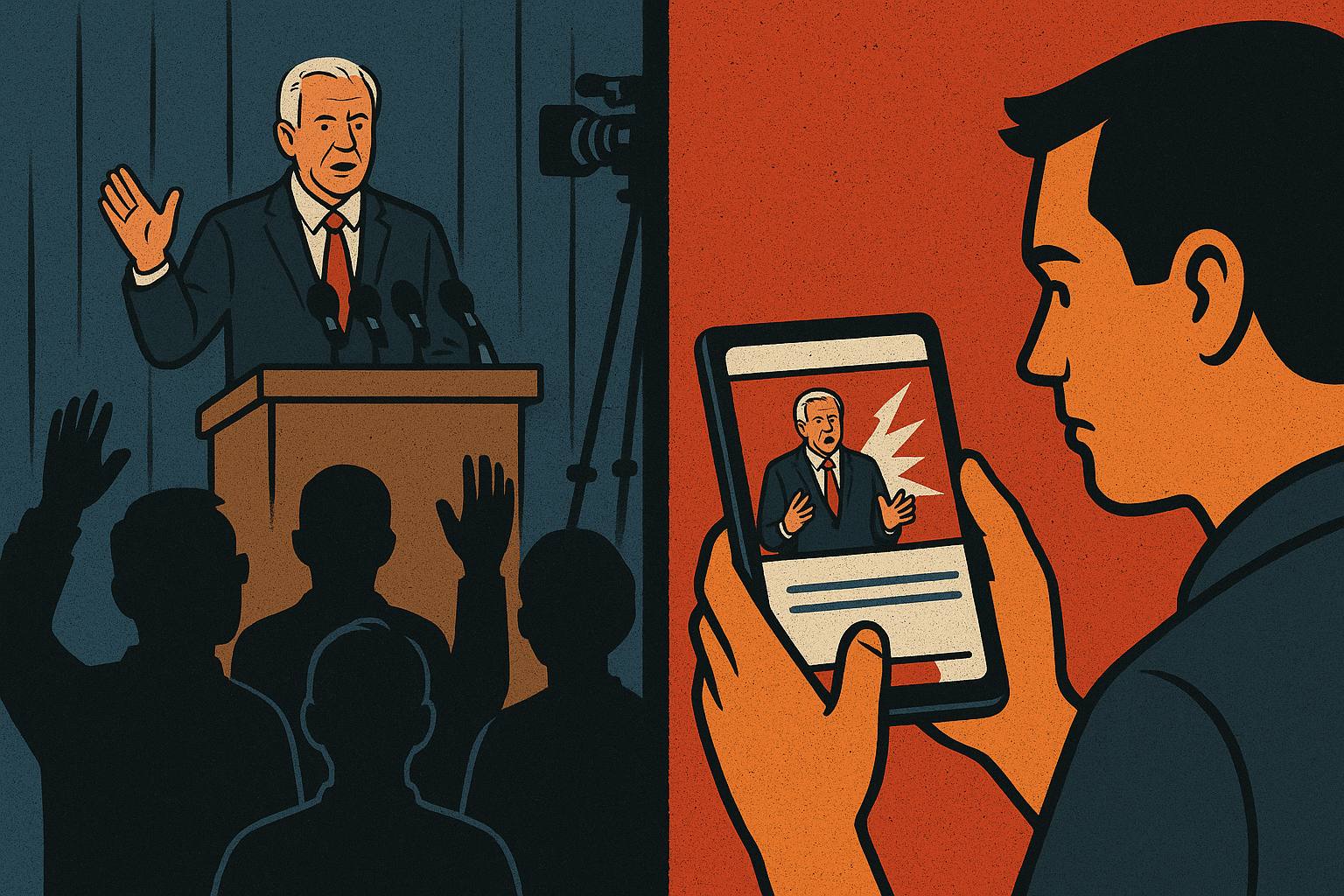
Biden’s comment wasn’t delivered as a formal campaign message—it was an off-the-cuff remark at the end of a longer conversation about criminal justice, voting rights, and Black political power. The full interview covered policies that matter deeply to Black communities, but that context was quickly lost as the soundbite went viral.
Within hours, the quote was reframed in headlines and tweets as a declaration: Joe Biden believes Black people aren’t really Black if they don’t vote for him. While the original comment was clumsy and problematic, that interpretation was more extreme than what was actually said.
This moment raises a real and essential question:
Can we critique public figures for their words while still being honest about their meaning?
Why This Matters
This isn’t about defending Biden—or excusing careless language. It’s about how quickly a single phrase, stripped of tone and context, can become a weapon in our broader political battles.
We’ve all seen it happen: one clumsy sentence becomes a meme, a headline, or a campaign ad. But when that happens, the space for honest reflection disappears. We stop asking: What was really said? and start assuming: What’s the worst way this could be taken?
When we treat misstatements as the same as malice, we miss an opportunity to discuss the deeper issues—like race, representation, and the assumptions baked into our politics.
A Better Way Forward
At All Common Ground, we believe truth and accountability can go hand in hand. We can—and should—challenge our leaders when they get it wrong. But let’s do it in a way that invites conversation, not just condemnation.
Because the real question isn’t just Who said what?
It’s: What kind of conversation do we want to have next?