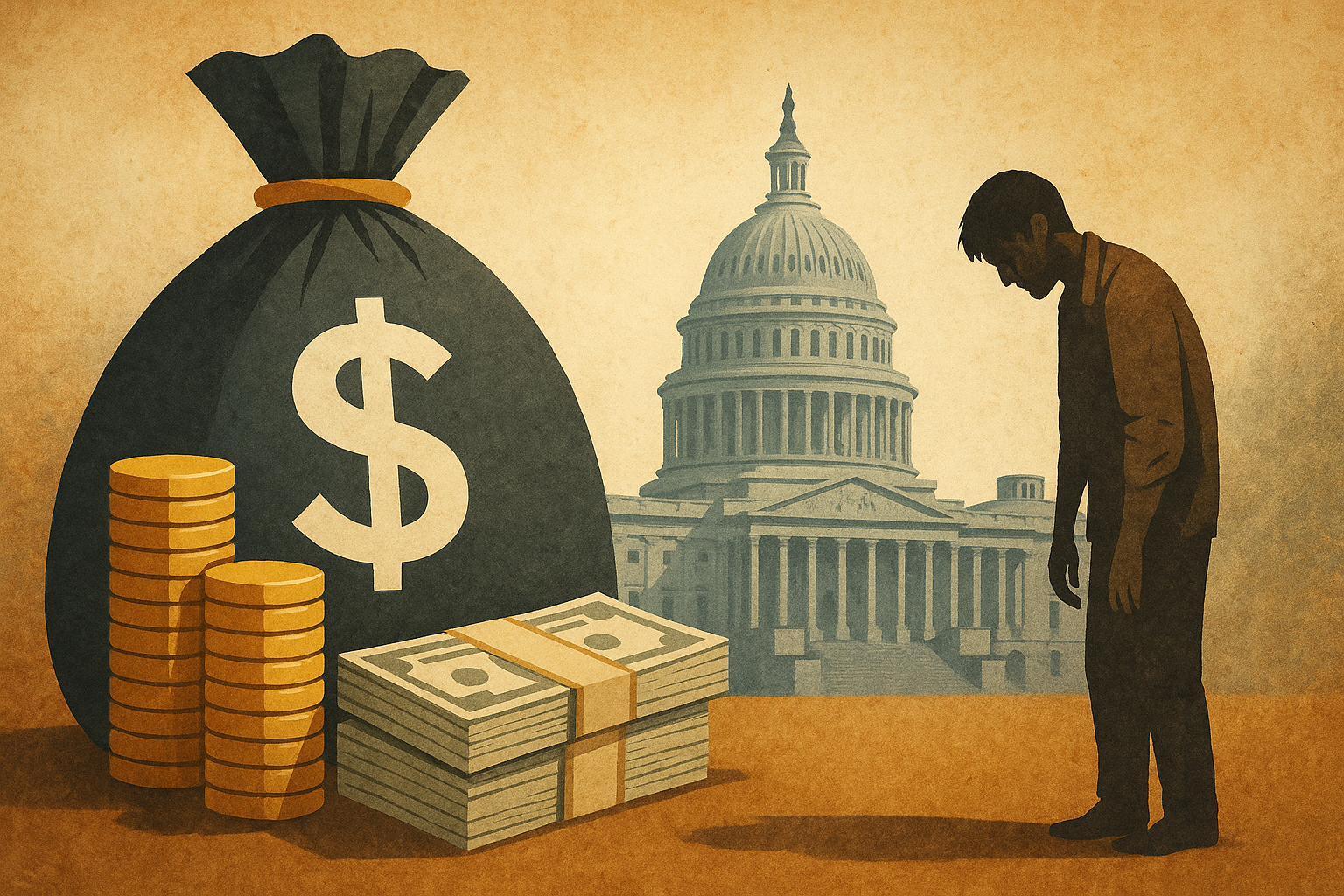
In the intricate world of U.S. politics, the ideal of a win/win solution for all citizens often seems elusive. Instead, many legislative outcomes disproportionately benefit the wealthiest 1%—billionaires, corporations, and large financial institutions—while leaving ordinary citizens at a disadvantage, especially those at the lower end. This dynamic raises significant concerns about equity, transparency, and democracy in the legislative process. Let’s explore how this occurs, with specific examples of legislation highlighting these hidden benefits.
The Influence of the Wealthiest
The top 1% wield substantial political influence through various means, including campaign contributions, lobbying, and political action committees (PACs). This influence often shapes legislation in ways that prioritize their interests. Here’s a look at how this process unfolds:
- Campaign Contributions: Wealthy individuals and corporations can make large donations to political campaigns, helping to elect candidates who align with their interests.
- Lobbying: Corporations and financial institutions spend millions on lobbying efforts to influence lawmakers and ensure favorable policies.
- Political Action Committees (PACs): These organizations pool contributions from members to fund political campaigns and influence elections, often supporting candidates who favor the interests of the wealthy.
Examples of Legislation with Hidden Benefits
Many bills that pass through Congress are marketed as beneficial to the general public but include provisions that primarily benefit the wealthy and powerful. Here are a few notable examples:
The Tax Cuts and Jobs Act of 2017
Marketed As: A tax cut aimed at providing relief to middle-class families and stimulating economic growth.
Hidden Benefits: Although the Act included some tax cuts for middle-income earners, the most significant benefits went to the wealthiest Americans and large corporations. The corporate tax rate was slashed from 35% to 21%, and the estate tax exemption was doubled, allowing the most affluent families to pass on more wealth tax-free. Additionally, the act introduced the “pass-through” deduction, which primarily benefits high-income business owners.
The Affordable Care Act (ACA) Repeal Attempts
Marketed As: Efforts to repeal and replace the ACA were often marketed as a means to reduce healthcare costs and provide better options for all Americans.
Hidden Benefits: Many of the proposed repeal bills included provisions that would have significantly reduced taxes for high-income individuals by eliminating taxes on investment income, health insurance, and prescription drugs—taxes initially levied to fund the ACA. These repeals would have disproportionately benefited the wealthy while reducing subsidies and coverage for low- and middle-income Americans.
The CARES Act (Coronavirus Aid, Relief, and Economic Security Act)
Marketed As: A comprehensive relief package to help individuals, businesses, and the economy during the COVID-19 pandemic.
Hidden Benefits: Although the CARES Act provided necessary relief to many Americans, it also included substantial benefits for large corporations. For example, the Act established a $500 billion corporate bailout fund, which included provisions allowing large companies to receive loans and guarantees with limited oversight. Additionally, a little-known provision allowed wealthy individuals to use business losses to reduce their taxes, a change that could result in billions of dollars in tax savings for the richest Americans.
The JOBS Act (Jumpstart Our Business Startups Act) of 2012
Marketed As: Legislation to encourage the funding of small businesses and startups by easing securities regulations.
Hidden Benefits: While the Act was intended to help small businesses, it also relaxed various regulatory requirements for larger companies, potentially increasing the risk of fraud and reducing investor protections. The reduced transparency requirements primarily benefited larger, established companies rather than the small startups it purported to help.
The Path Forward
To address these issues, several steps can be taken to ensure more equitable and transparent legislation:
- Campaign Finance Reform: Implementing stricter limits on campaign contributions and increasing transparency in political donations can reduce the undue influence of the wealthy.
- Lobbying Regulation: Strengthening regulations on lobbying activities and requiring full disclosure of lobbying efforts can help ensure that lawmakers are acting in the public interest.
- Enhanced Legislative Transparency: Requiring detailed, plain-language summaries of bills and highlighting any potential benefits for the wealthy can help the public better understand the implications of proposed legislation.
- Public Financing of Campaigns: Providing public funds for campaigns can reduce candidates’ dependence on wealthy donors and level the playing field for all candidates.
By addressing these challenges, we can work towards a political system that truly represents the interests of all Americans, not just the wealthiest few. Citizens must remain informed and engaged, holding lawmakers accountable to ensure that legislation benefits everyone equitably and transparently.