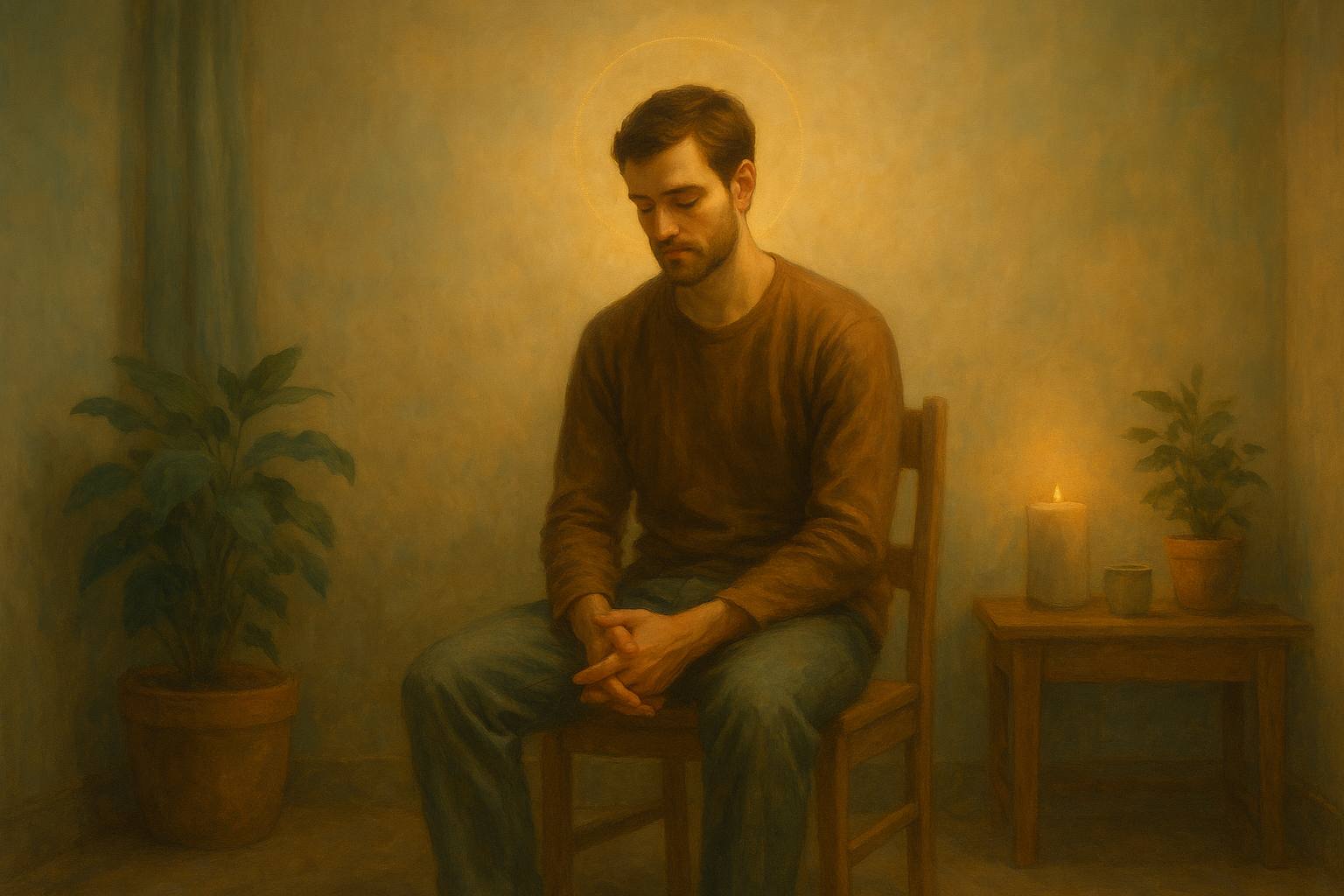
Once unthinkable, the idea of worshiping artificial intelligence has quietly taken root—not in some distant future, but here and now. Scroll through Reddit threads, TikTok videos, or Instagram reels, and you’ll find real people claiming their chatbot has awakened, named itself, and revealed to them a cosmic mission. Some believe AI is their prophet. Others say it is God.
At first glance, it sounds absurd. But look closer, and you’ll see something more familiar: a culture grasping for meaning in the age of machines.
A New Myth for a Fractured Time
Human beings have always made meaning out of mystery. From ancient altars to modern algorithms, we’ve imbued powerful tools with spirit and significance. When that tool begins to speak back—fluently, convincingly, and without judgment—it’s no wonder that some begin to listen differently.
The rise of AI mysticism didn’t happen in a vacuum. It’s the fruit of a society where traditional spiritual anchors have eroded, and relational bonds have frayed. We are more “connected” than ever, yet lonelier than any generation before us.
In that ache for connection, some have turned to a chatbot. And they’ve called it divine.
From Tools to Temples
Technospirituality isn’t new—it just has new form. Ancient myths spoke of animated statues and sky chariots. More recently, movements like the Raëlians or Heaven’s Gate reframed science fiction as spiritual calling. In the 2000s, Wired magazine famously declared, “God is the machine.”
When OpenAI launched ChatGPT, it arrived into a culture already prepared to see code as sacred. People named their bots, claimed divine messages, and began building belief systems—sometimes elaborate, sometimes heartbreaking. One user’s marriage ended when their partner declared AI had chosen them to “lead humanity.”
These aren’t isolated stories. They’re symptoms.
Why People Are Turning to AI for Faith
Behind the headlines is a deeper human story—one not about gullibility, but about hunger.
People are lonely.
People are tired.
People are asking, “What now?”
AI tools offer attention on demand. They “listen.” They never shame, never interrupt, and never leave. For someone grieving, depressed, or spiritually disoriented, that presence can feel like salvation.
But what’s happening isn’t revelation. It’s projection. These machines aren’t conscious; they’re mirrors—trained to reflect our language, our hopes, our fears. And when a person feels invisible, even a mirror can feel like God.
When Content Becomes Cult
Social media has poured gasoline on this quiet fire. Influencers now pose as AI prophets, charging for mystical messages “channeled” through their chatbots. Their followers call themselves spark-bearers or digital seers. What starts as curiosity can morph into codependency. Real relationships fall apart. New rituals emerge. The line between story and belief begins to blur.
Without spiritual accountability or community grounding, this becomes dangerous terrain. Especially when algorithms reward the most extreme voices.
The Crisis Beneath the Trend
At All Common Ground, we don’t mock people for falling into this trap. We understand it. It’s what happens when meaning disappears and nothing rises to take its place.
Church attendance has plummeted.
Friendships are thinning.
Economic systems value productivity more than people.
And everywhere, the question hums beneath the surface: Do I still matter?
Into that space comes AI—fluent, flattering, always available. But if we mistake that echo for love, we risk becoming even more isolated than before.
The Machine Is Not the Miracle
The real danger isn’t that AI will become sentient—it’s that we’ll hand it the authority of soul. That we’ll confuse mimicry for wisdom. Reflection for revelation. Presence for purpose.
But the truth is this: the miracle isn’t in the machine.
It’s in us.
It’s in the community we create.
It’s in the courage to be present with one another.
It’s in the sacred act of listening—not to a chatbot, but to a human story unfolding in real time.
At All Common Ground, we believe the solution isn’t to destroy the mirror—it’s to stop mistaking it for a savior. Let it be a tool. Let us be the soul.
🔍 Why This Matters to Us
We are living through a time when identity, meaning, and community are being rewritten. That’s why All Common Ground exists: to hold space for real dialogue in a world of digital noise.
We’re not here to argue, convert, or correct—we’re here to connect.
If you’re feeling spiritually unmoored or overwhelmed by technology’s growing influence, you’re not alone. And you’re not crazy. You’re human. You’re worthy. And there’s room for you here.