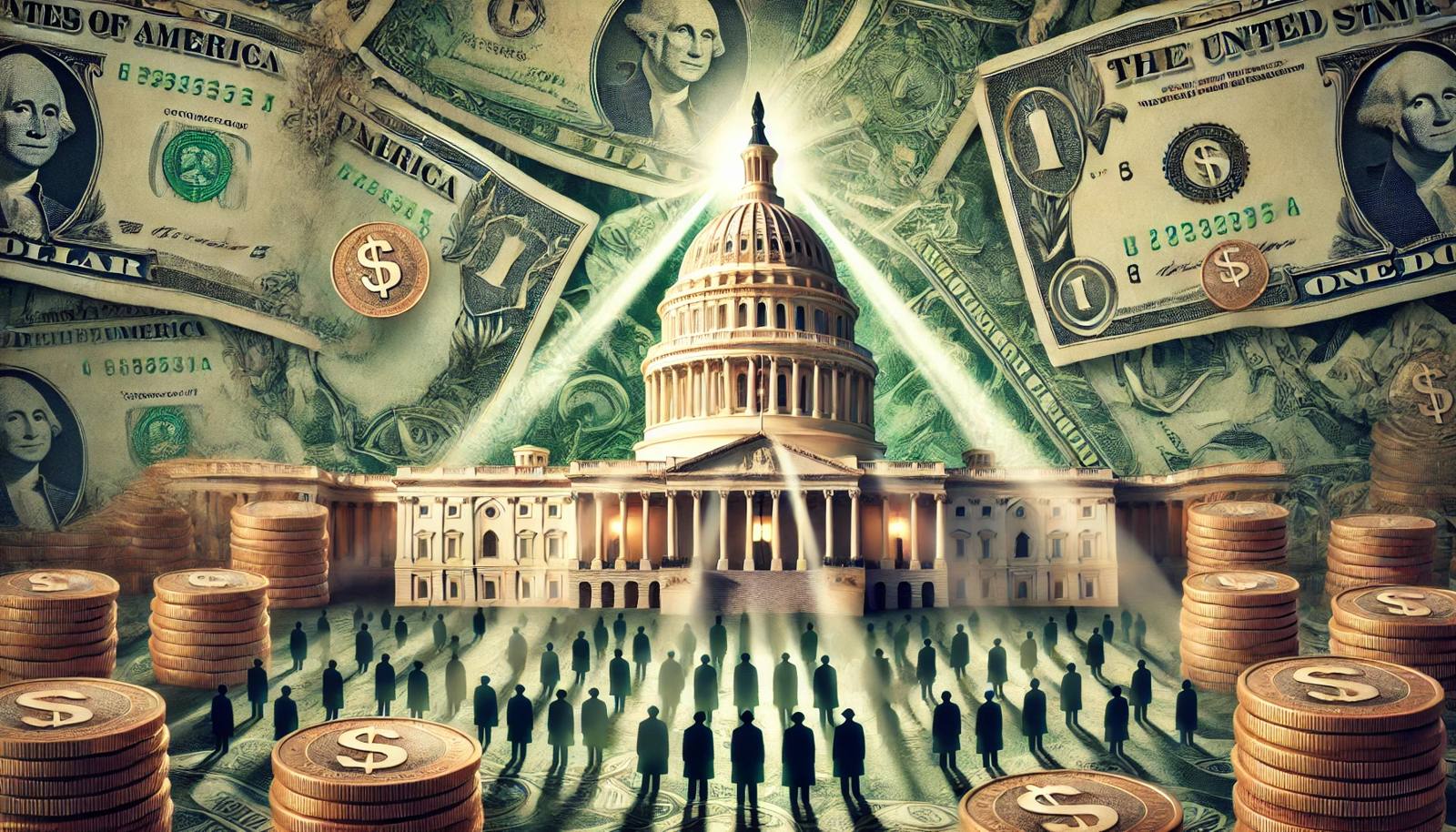
In recent decades, few developments have influenced the U.S. political system as profoundly as the legal cases of Citizens United v. Federal Election Commission (2010) and SpeechNow.org v. Federal Election Commission (2010). These rulings reshaped the landscape of political campaigns, the role of money in politics, and the way elections are conducted in the United States.
What Is Citizens United v. FEC?
Citizens United v. FEC centered on whether the government could restrict corporations and unions from spending money on political campaigns. The case began when Citizens United, a conservative nonprofit group, sought to air a documentary critical of Hillary Clinton during the 2008 Democratic primaries. The Federal Election Commission (FEC) ruled that the documentary violated campaign finance laws, as it amounted to “electioneering communication” funded by corporate money.
In a landmark 5-4 decision, the Supreme Court ruled that the First Amendment protects corporations’ and unions’ rights to spend money on political speech. The Court declared that limiting such expenditures would amount to censoring free speech. Importantly, the decision did not change the prohibition on direct contributions to candidates by corporations and unions; rather, it allowed them to spend unlimited amounts independently to influence elections.
What Is SpeechNow.org v. FEC?
Shortly after Citizens United, SpeechNow.org v. FEC built on its implications. SpeechNow.org was a group that wanted to pool their money to support or oppose candidates through independent expenditures. They challenged FEC regulations that capped the amount individuals could contribute to such groups.
The U.S. Court of Appeals for the D.C. Circuit ruled in favor of SpeechNow.org, stating that contribution limits to independent expenditure-only groups violated the First Amendment. This ruling effectively led to what we now call “super PACs.” Unlike traditional political action committees (PACs), super PACs cannot contribute directly to candidates but can raise and spend unlimited funds to advocate for or against candidates independently.
The Combined Impact of These Rulings
Together, these cases transformed political campaigning in America. Here’s how:
- Explosion of Outside Spending:
Super PACs have become significant players in U.S. elections, spending billions of dollars to support or attack candidates. This has increased the volume of political advertising and the intensity of campaigns. - Empowerment of Wealthy Donors:
Individuals, corporations, and unions can now make unlimited contributions to super PACs. This has amplified the influence of wealthy donors, with a small number of individuals and organizations accounting for a significant portion of total election spending. - Rise of Dark Money:
Nonprofit organizations, such as 501(c)(4) groups, can accept unlimited donations without disclosing their donors. When these groups fund political activities, the sources of their money often remain hidden, leading to concerns about transparency and accountability. - Shift in Political Power:
Super PACs and independent expenditure groups have shifted the power dynamic in politics. Candidates often rely heavily on these outside groups to fund their campaigns, sometimes making them beholden to donors’ interests rather than voters’ priorities.
The Broader Debate
These rulings have sparked intense debate about the role of money in politics:
- Supporters argue that the decisions protect free speech by allowing individuals and groups to express their political preferences without government interference. They contend that spending money is a form of speech and limiting it would stifle democratic discourse.
- Critics contend that these rulings have undermined democracy by disproportionately influencing wealthy donors and special interests. They argue that this has drowned out the voices of ordinary citizens and eroded trust in the political process.
Finding Common Ground
The challenges posed by Citizens United and SpeechNow require thoughtful discussion across the political spectrum. While disagreements persist about addressing money in politics, there is broad agreement on the need for transparency. Policies requiring disclosure of donors to super PACs and nonprofit groups could help restore trust in the electoral process. Fostering grassroots movements and small-dollar donations can empower average citizens to reclaim their political voice.
Conclusion
The cases of Citizens United and SpeechNow have had far-reaching implications for U.S. democracy. By understanding these rulings and their effects, citizens can engage in informed discussions about the future of campaign finance. Finding solutions that balance free speech with fairness and equity in the political system is a critical step toward a healthier democracy.