In the early days of hip-hop, luxury wasn’t about alienating your audience—it was about inspiring them. When Vanilla Ice said,
“Cruisin’ in my 5.0…”,
he wasn’t bragging about an unreachable life. He was showing pride in a car you could actually imagine owning—or at least dreaming of.
Luxury was local. It was proud. And most of all, it was personal.
But over time, something shifted.
Luxury Got Louder—and More Distant
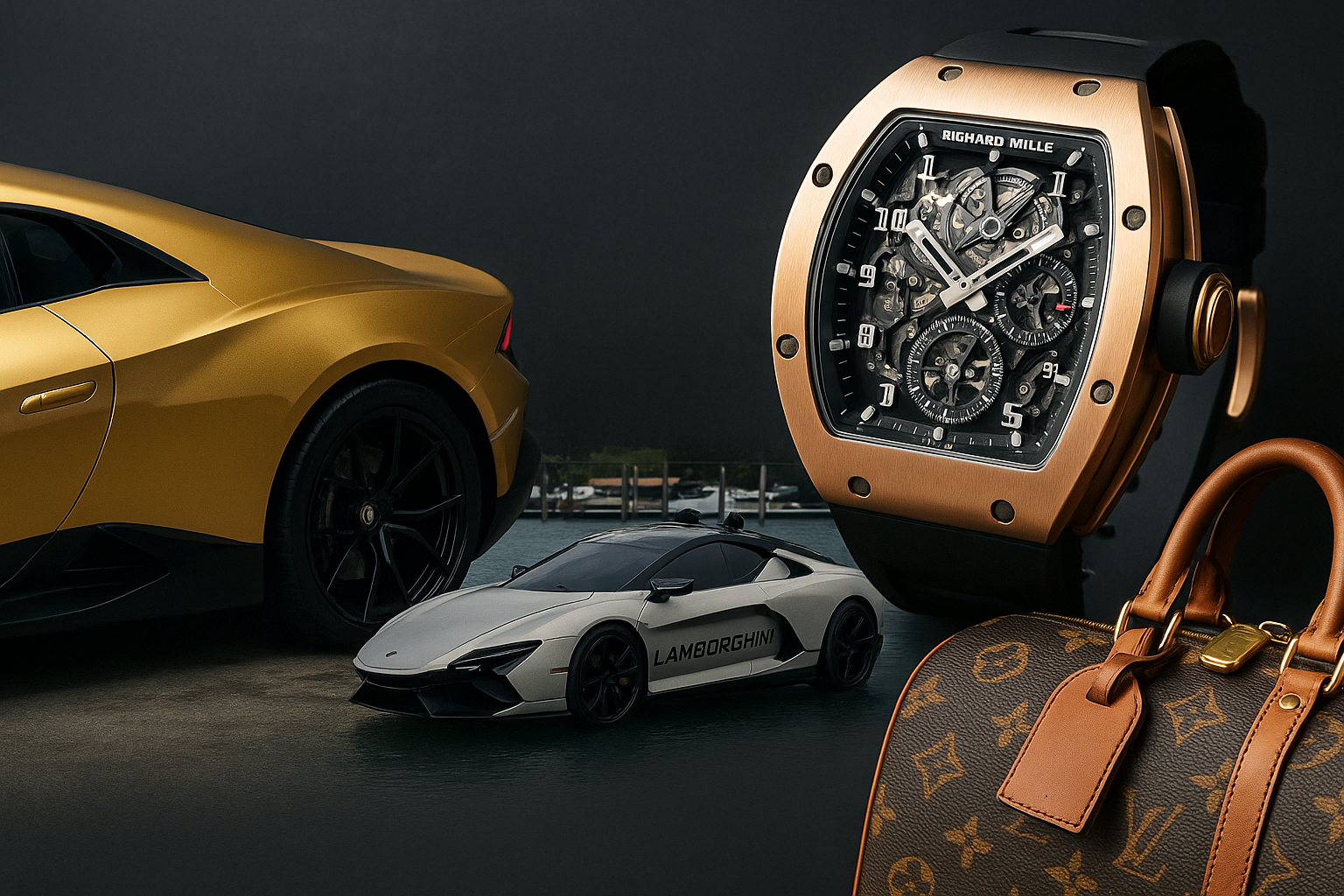
Today, if you’re not flaunting a seven-figure car, a jet, or a watch that needs a bodyguard, you’re invisible. Rolex used to be a crown jewel—now it’s often dismissed as “entry-level.” The race to impress has become so intense that it’s lost touch with reality.
Worse, much of it isn’t even true.
From rented Lamborghinis to staged photo shoots in private jets that never take off, social media has turned luxury into a performance. And audiences have a hard time telling where lifestyle ends and Photoshop begins.
But here’s where it gets dangerous.
When Illusion Turns Risky
Earlier this year, a Lamborghini-branded yacht sank off the coast of Miami, overloaded with influencers. The vessel, built for sleek style and speed, was packed far beyond safe capacity—all to capture content that screamed wealth and freedom. Thankfully, no one was seriously hurt.
But the metaphor couldn’t be clearer: we’re sinking ships trying to look rich.
And it’s not just yachts:
- Influencer-related plane accidents have increased, often due to unsafe filming or overloaded small aircraft.
- People are getting scammed trying to buy fake luxury items—or worse, buying real ones with fake money or promises.
- Entire fake businesses and get-rich-quick schemes are marketed by influencers using AI-generated deepfakes or stolen photos, luring victims into financial ruin.
In a world that celebrates instant success and flashy wealth, scams feel like shortcuts—until it’s too late.
The Truth Behind the Filters
More than 60% of young Americans now report using filters or editing tools on their social media posts. Not to enhance creativity—but to look more luxurious, more desirable, more… perfect.
We’re comparing our real lives to someone else’s highlight reel—and wondering why we’re not enough.
Even many creators can’t keep up with their own image. The pressure to post, perform, and pretend takes a toll. The dopamine rush of likes fades. What’s left is often anxiety, burnout, or a constant fear of being exposed.
The Myth of More
And what happens to those who do “make it”?
Many of them lose it.
MC Hammer. 50 Cent. Mike Tyson. Toni Braxton. All earned tens—sometimes hundreds—of millions. All eventually filed for bankruptcy. Not because they weren’t smart or talented. But because enough was never enough.
And modern psychology agrees:
Once your basic needs are met and life is reasonably comfortable, money doesn’t buy more happiness. Study after study shows that emotional well-being plateaus around $75,000 to $100,000 in the U.S. After that? It’s not fulfillment that increases—it’s just the fear of losing what you’ve gained.
What Lasts?
The artists and influencers who endure—the ones we remember—almost always have something in common:
They loved the work before anyone was watching.
They would have made music, filmed videos, or told stories, even if nobody paid them.
They weren’t chasing fame for fame’s sake—they were sharing something real.
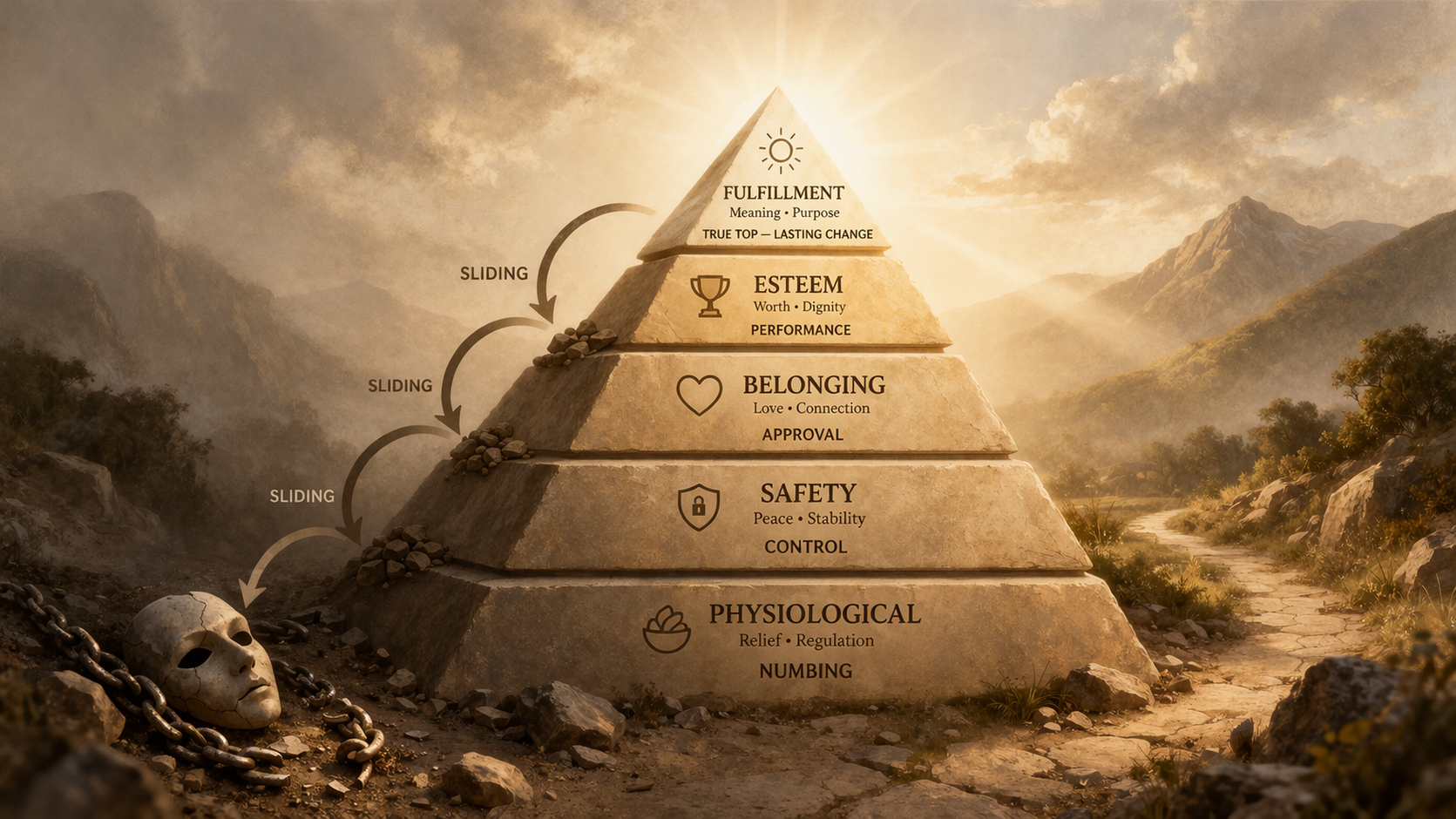
At All Common Ground, we believe that’s where true wealth lives:
- In authenticity.
- In meaning.
- In connection.
Not in clout. Not in filters. Not in faking it to impress a crowd that’s just as insecure.
So Where Do We Go From Here?
Let’s stop measuring success by algorithms.
Let’s question the culture that celebrates excess over essence.
And let’s remember: the most valuable things in life can’t be flexed—they’re felt.
Real community. Real stories. Real love.
That’s the kind of luxury worth building.